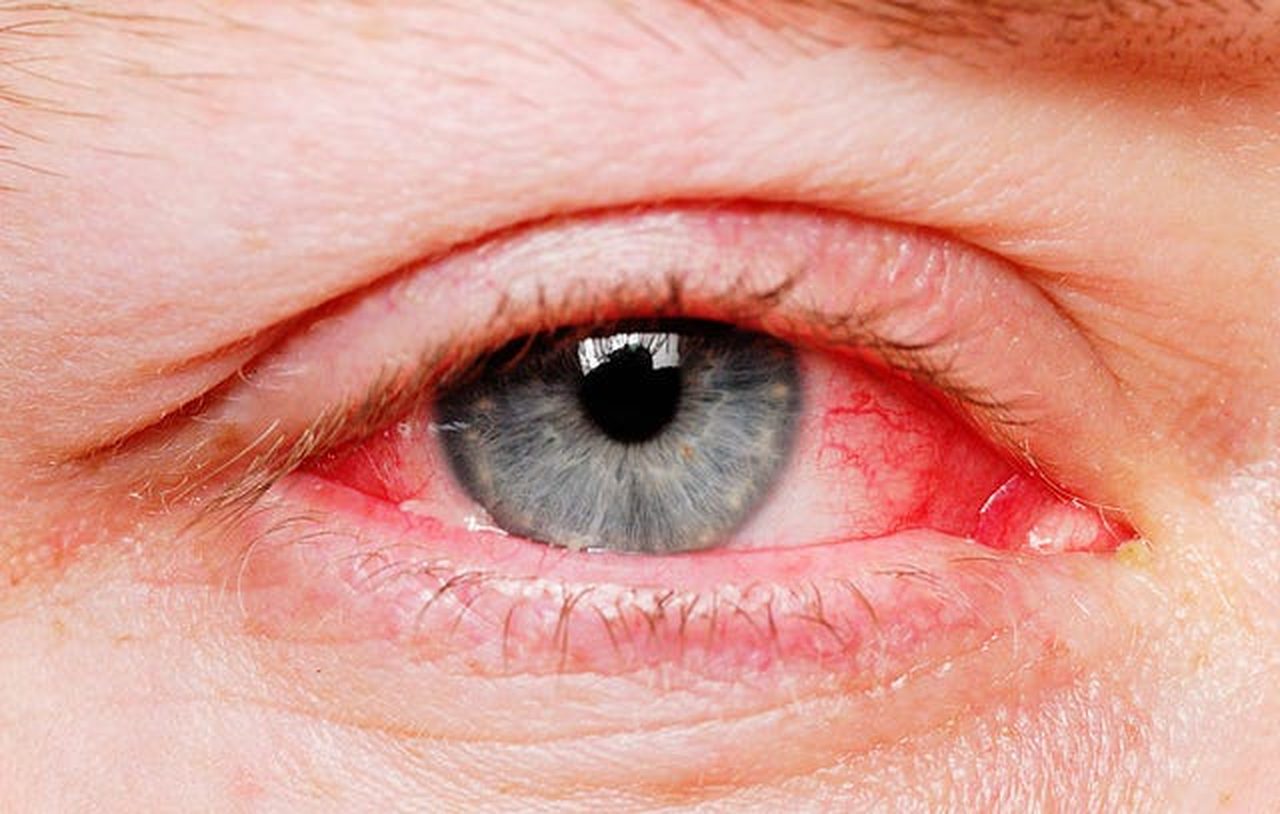
Why Do Eyes Get Red?
The white of the eye (sclera) is covered by the conjunctiva — a thin, transparent membrane containing a network of tiny blood vessels. Under normal conditions, these vessels are so small the eye appears white. When the eye is irritated, inflamed, or infected, these vessels dilate, allowing more blood to flow through them. This increased blood flow is what gives the eye its red or pink appearance.
Redness can be superficial (affecting only the conjunctival vessels) or deep (involving the episcleral or scleral vessels). The pattern, location, and character of the redness — along with accompanying symptoms — help eye care professionals determine the underlying cause.
Common Causes
Dry Eye Disease
One of the most prevalent causes of chronic red eyes. An unstable tear film exposes and irritates the ocular surface, triggering inflammation that dilates conjunctival vessels. Redness tends to be diffuse and worsens throughout the day — especially after screen use or in dry environments. Accompanied by burning, grittiness, and fluctuating vision.
Allergic Conjunctivitis
Affects an estimated 20–40% of the population. Allergens (pollen, dust mites, pet dander) trigger histamine release, causing vessel dilation, itching, swelling, and watery discharge. Typically affects both eyes, is accompanied by intense itching, and occurs seasonally or with known allergen exposure. Allergic inflammation also disrupts the tear film, frequently coexisting with dry eye.
Infections (Conjunctivitis)
Bacterial conjunctivitis presents with thick yellow-green discharge and eyelids sticking together upon waking. Viral conjunctivitis causes watery discharge and is highly contagious. More serious infections like bacterial keratitis cause severe redness with pain, light sensitivity, and vision changes — requiring urgent treatment to prevent permanent damage.
Contact Lens-Related Redness
Overwearing lenses deprives the cornea of oxygen, causing vessel dilation and neovascularisation. Poor lens hygiene introduces pathogens. Contact lens wearers are at increased risk for serious corneal infections — redness with pain in a contact lens wearer always warrants prompt evaluation.
Digital Eye Strain & Screen Time
Blink frequency drops by 60%+ during concentrated screen use, and many blinks are incomplete. This causes rapid tear film break-up, surface drying, and the resulting inflammatory redness. Typically appears after prolonged screen use and improves with rest and proper blinking exercises.
Environmental Irritants
Smoke, air pollution, chlorinated pool water, wind, and chemical fumes can all cause acute or chronic redness. Indoor environments with forced air heating, AC, or ceiling fans cause significant tear evaporation and chronic low-grade redness. Occupational dust and chemical exposure without eye protection is another common trigger.
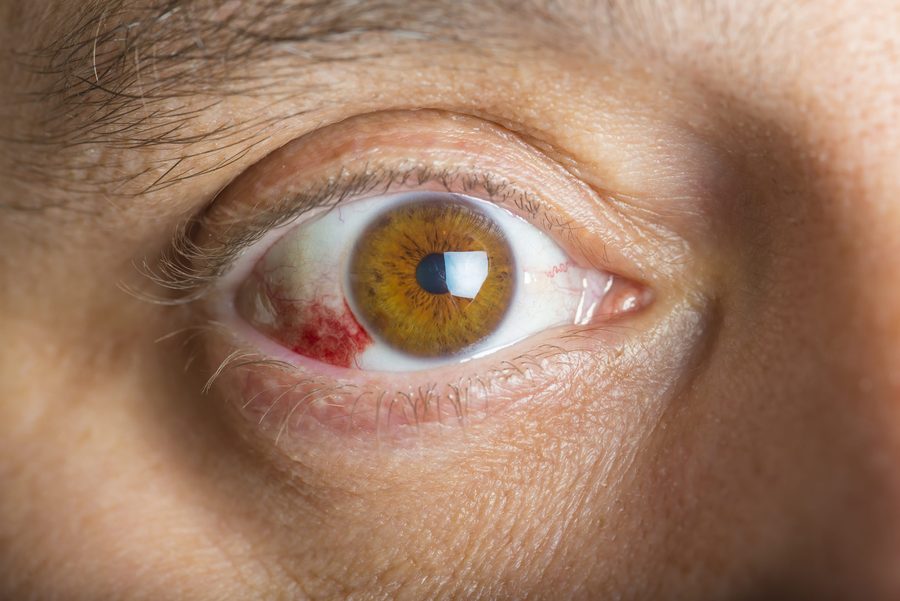
Conjunctival vessel dilation is the common pathway for most causes of red eyes — from dry eye and allergies to infections.
When Red Eyes Indicate Something Serious
- Severe eye pain — deep, aching pain can indicate acute angle-closure glaucoma, uveitis, or scleritis
- Sudden vision loss or significant blurring — may suggest a corneal ulcer or intraocular inflammation
- Redness around the cornea (ciliary flush) — a ring of deep redness surrounding the iris is a hallmark of anterior uveitis or acute glaucoma
- Photophobia with redness — significant light sensitivity alongside redness suggests corneal involvement
- Red eye after trauma — any redness following a blow, chemical splash, or foreign body impact requires prompt evaluation
- Red eye in a contact lens wearer with pain — raises concern for microbial keratitis, which can progress rapidly
- Redness persisting for more than two weeks without improvement
Over-the-counter "get the red out" drops (containing vasoconstrictors like naphazoline or tetrahydrozoline) work by temporarily constricting blood vessels — they do not treat the underlying cause. With repeated use, they cause rebound redness when discontinued, creating a dependency cycle. They can also mask symptoms of conditions that need proper treatment. Artificial tears are a safer choice for routine redness relief.
The Connection to Dry Eye Disease
Chronic dry eye drives a self-perpetuating cycle of inflammation: tear film instability leads to hyperosmolarity (increased salt concentration), which damages ocular surface cells and triggers the release of inflammatory mediators. These mediators cause blood vessel dilation (redness) and further disrupt the tear film — perpetuating the cycle.
This is why treating dry eye-related redness requires addressing the root cause — restoring tear film stability and reducing inflammation — rather than simply masking the redness with vasoconstrictors.
If you experience persistent red eyes alongside burning, grittiness, fluctuating vision, or light sensitivity, a comprehensive dry eye evaluation can determine whether an unstable tear film is the underlying driver. Modern diagnostic tools assess tear osmolarity, meibomian gland structure, tear break-up time, and inflammatory markers to create a complete picture of ocular surface health.
Prevention Tips
- 20-20-20 rule — Every 20 minutes of screen time, look at something 20 feet away for 20 seconds to maintain healthy blink patterns.
- Proper contact lens care — Follow your provider's instructions for lens replacement, cleaning, and wearing schedules. Never sleep in lenses not designed for overnight wear.
- Protect from irritants — Wear wraparound sunglasses in windy or dusty conditions and appropriate safety eyewear for work hazards.
- Manage allergies proactively — Start preventive allergy eye drops before allergy season begins and minimise allergen exposure.
- Humidify your environment — Use a humidifier during winter months and in air-conditioned spaces to reduce tear evaporation.
- Avoid rubbing your eyes — Eye rubbing introduces bacteria, worsens inflammation, and can damage the ocular surface over time.
- Stay hydrated and get adequate sleep — General health and hydration support tear production and ocular surface recovery.
Persistent red eyes? It could be dry eye.
Find a CSI-powered clinic near you for a structured evaluation that identifies the root cause — not just the symptom.
Find a CSI Powered Clinic Near You →Not Sure If You Have Dry Eye?
Take the 2-Minute Dry Eye Assessment
Answer a few quick questions to understand your symptoms and get personalised guidance.
Start the Assessment →